
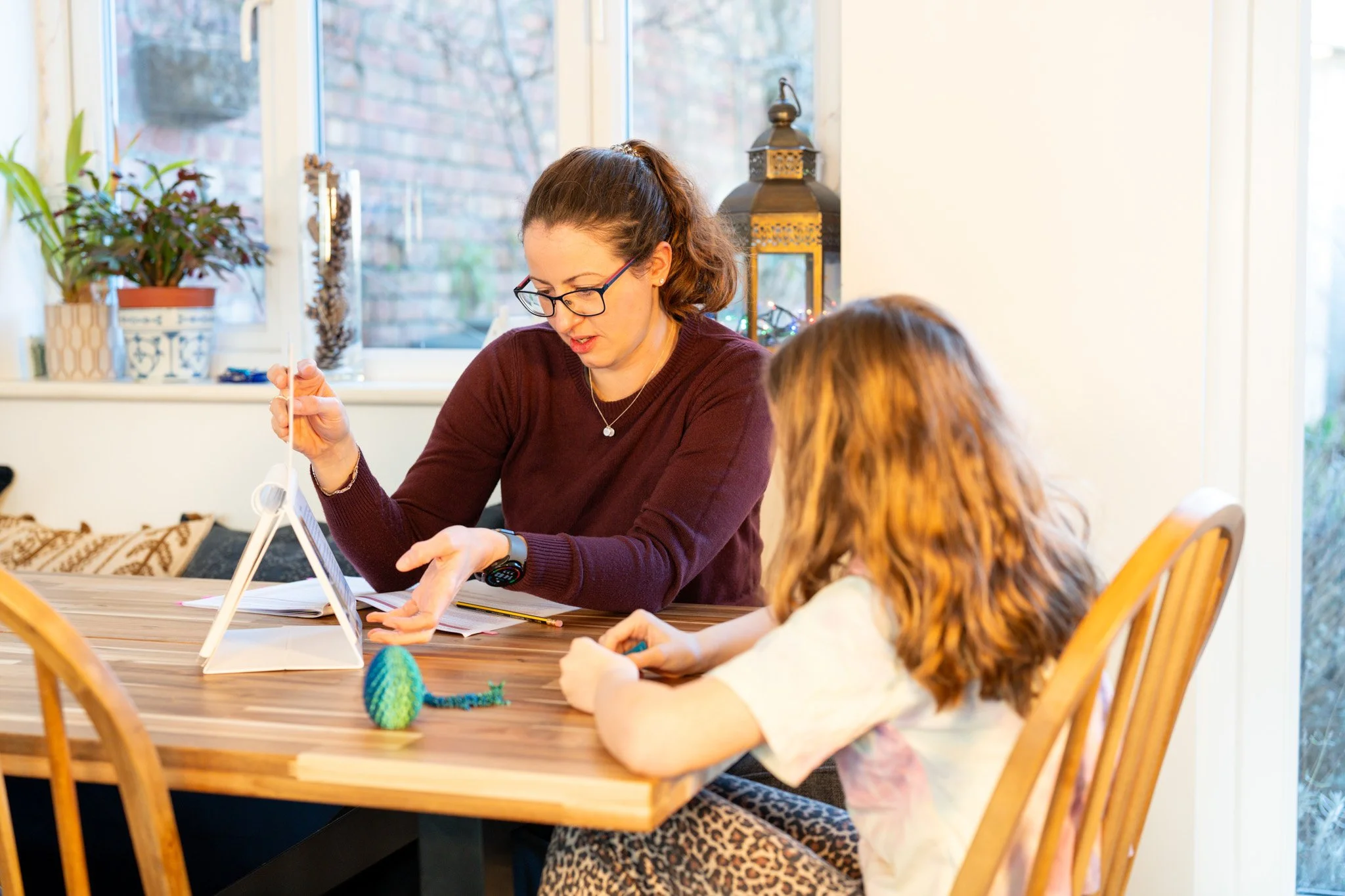
Dyslexia Diagnosis and Assessment in Northamptonshire
Who are we?
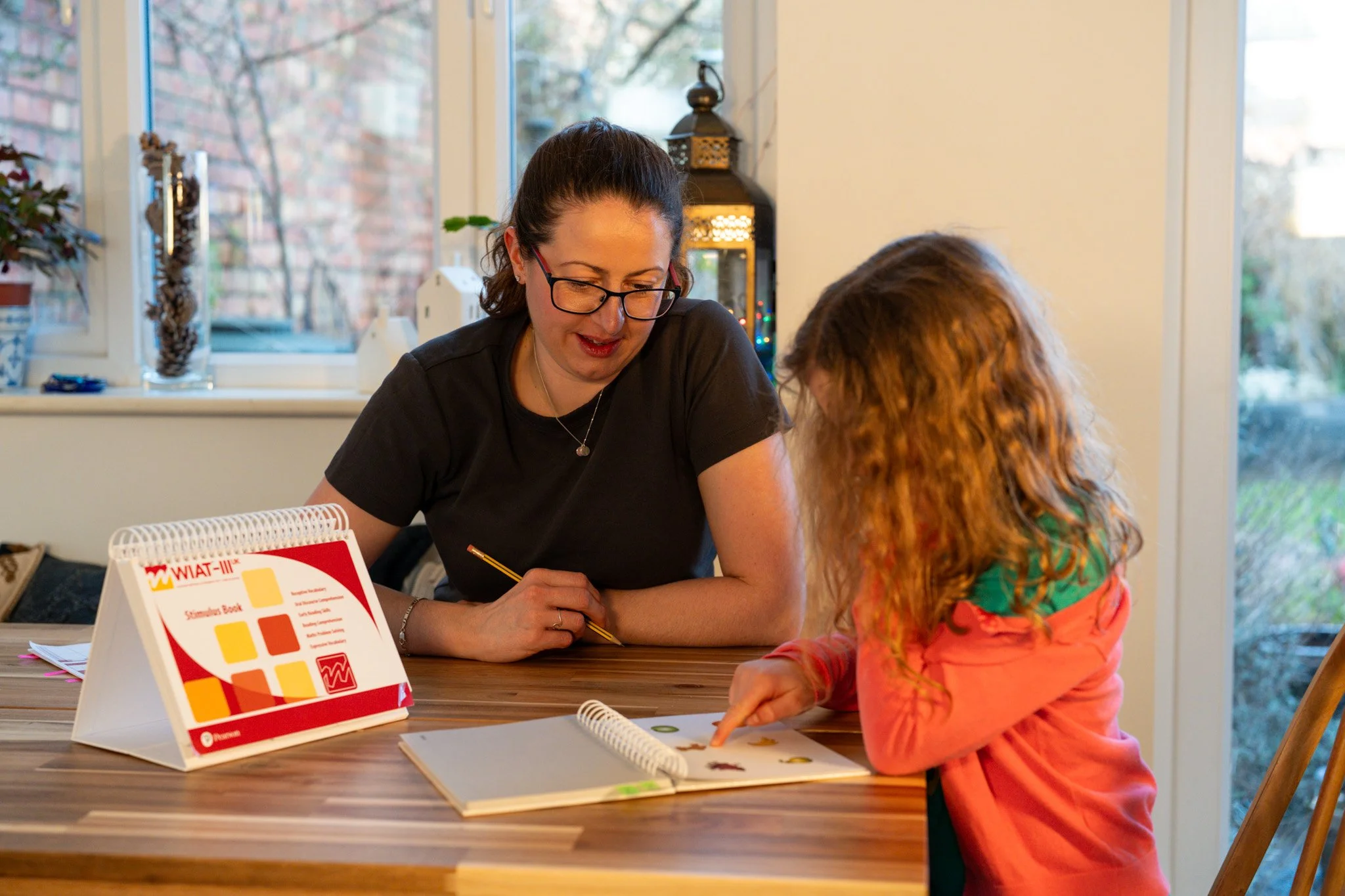
Empower Dyslexia Assessment Services provide professional diagnostic assessments for children and adults in Northamptonshire and the surrounding counties. Assessments support individuals with the reading, spelling and literacy difficulties most commonly associated with dyslexia, as well as less well-known impacts.
Who can commission our services?
We offer services to both schools and individuals. For individual assessments we always offer a free 15 minute telephone consultation first, to ensure that the assessment is suitable before any payment is taken.
Are we registered with any awarding or professional bodies?
Yes, we are registered with PATOSS and the Dyslexia Guild and can also be found on the SASC website.
Find us on the Dyslexia Guild Directory
Find us on PATOSS
Find us on SASC
Where do we operate?
We are based in Wellingborough in Northamptonshire but we cover Rushden, Raunds, Higham Ferrers, Kettering, Northampton, Brackley, Towcester, Corby and Daventry within Northamptonshire (and all the villages in between)!
We are happy to travel to neighbouring counties such as:
Bedfordshire
Buckinghamshire
Leicestershire
Rutland
Cambridgeshire
When should you consider having a diagnostic dyslexia assessment?
Most people will know the key difficulties that are associated with dyslexia, reading and spelling difficulties and they are the most common difficulties that assessors find.
However there are some other key difficulties that are often associated with dyslexia. These are:
difficulties with processing
difficulties with working memory
difficulties with sequencing and organising information
difficulties following multi-stage instructions
difficulties taking in information from text, even if you can read it
If this sounds like you or your child, then a diagnostic assessment may be of benefit.
Why is a diagnostic assessment better than a dyslexia screener?
A diagnostic assessment report will:
Explore your strengths as well as the areas you find challenging
Be focused on the support and reasonable adjustments needed to allow you to access learning
Be bespoke to you - every report and recommendation is different
Make recommendations for school or work as well as things you can do at home
Bring clarity, understanding and confidence.
Last your whole life - it moves with you to whatever your next stage or challenge is
Screeners are not always accurate and only indicate risk. Many children develop strategies to cope so won’t show up as dyslexic on a screener, even thought they are struggling. Without a full diagnostic assessment, the need support may be missed. You may not get the help and support you need, or support may be targeted at the wrong areas.